CultureNovember 28, 20245 min read
Barcelona's Restaurant Scene: Leading Digital Innovation
How Barcelona's vibrant food culture is driving adoption of restaurant technology and digital menus.
A City Built on Food Culture
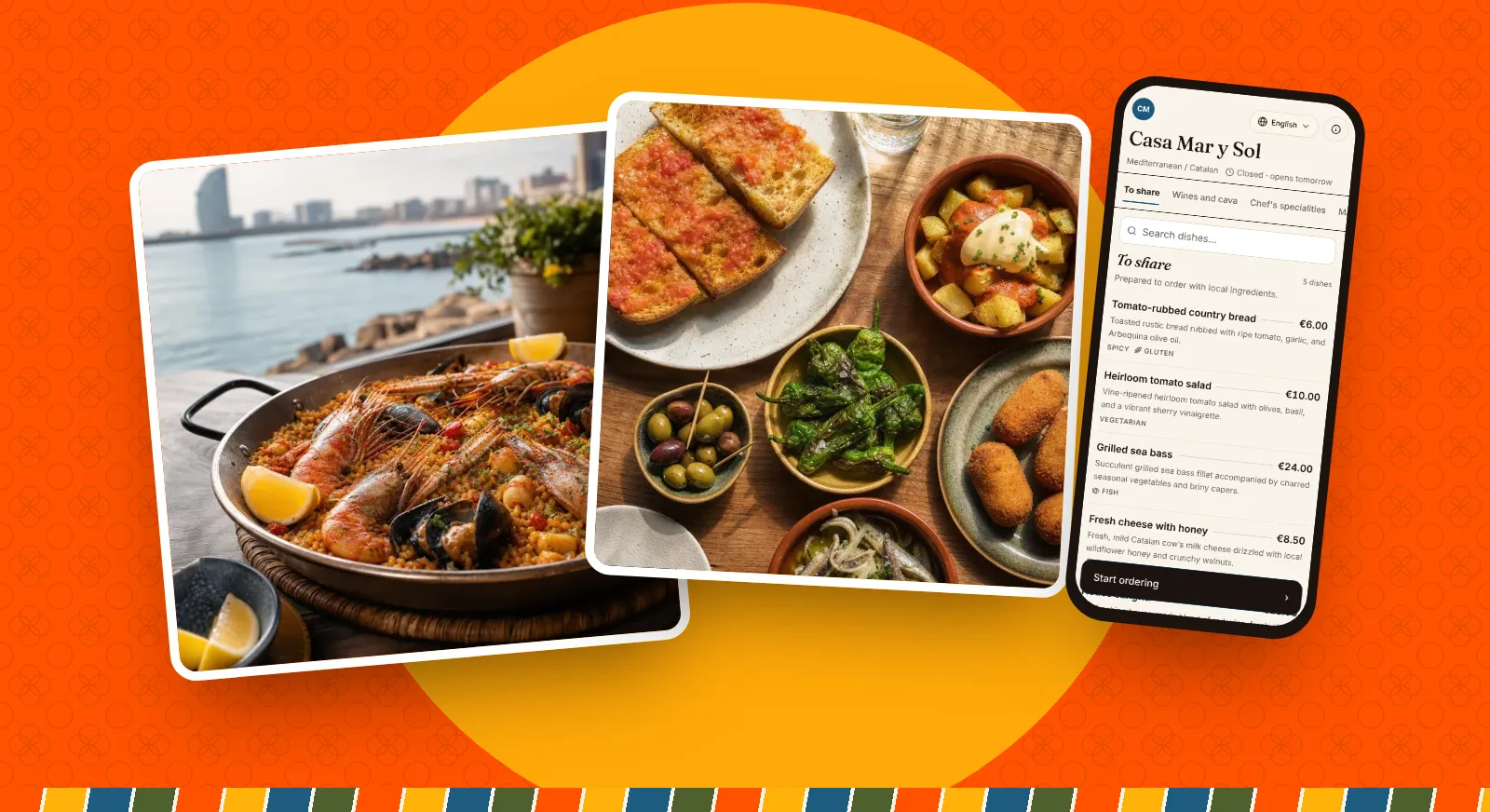
Barcelona is one of Europe's most visited cities. Food is central to the experience: from tapas bars in the Gothic Quarter to Michelin-starred restaurants in the Eixample, dining is not just sustenance but a cultural activity. This combination of high tourist volume and food-centric culture creates the perfect environment for restaurant technology innovation.
The city's restaurants face a unique challenge: serving a diverse international clientele while maintaining authentic Catalan and Spanish culinary traditions. A traditional tapas bar might serve customers speaking 10 different languages in a single evening. This multilingual reality makes digital menus that let every guest read the menu in their own language especially attractive.
Why Barcelona Leads in Restaurant Tech
Several factors make Barcelona a natural hub for restaurant technology. The city has a thriving startup ecosystem, particularly in hospitality tech. Young, tech-savvy restaurateurs are more willing to experiment with digital tools. And the sheer volume of international tourists creates immediate, measurable demand for solutions like multilingual menus and frictionless ordering.
Barcelona's regulatory environment also plays a role. Spain's implementation of EU allergen regulations has pushed restaurants toward digital solutions that make allergen compliance easier. Digital menus with built-in allergen management are far more practical than updating paper menus every time regulations change or recipes evolve.
From La Boqueria to Digital Menus
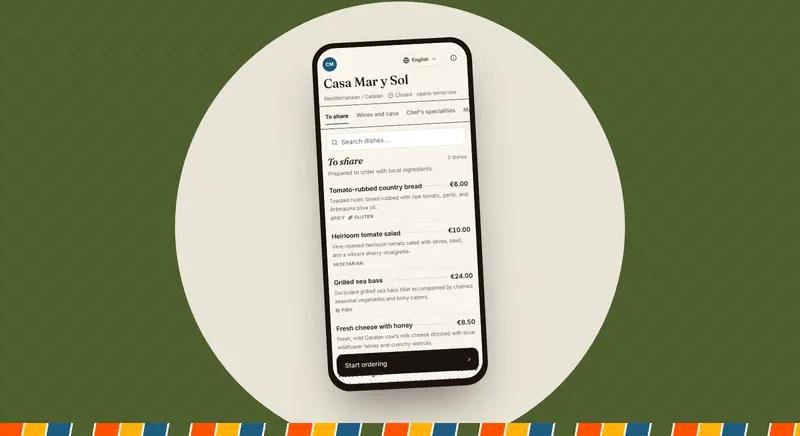
The transformation is visible across all restaurant segments. Market bars around La Boqueria, traditionally the most analog of dining experiences, can offer a QR menu alongside their handwritten chalkboards. The chalkboard stays for atmosphere; the QR code adds functionality, allergen information, and language options that a chalkboard can't provide.
Fine dining establishments have embraced digital menus as a way to enhance rather than diminish the dining experience. A digital menu has room for longer dish descriptions, so tasting notes, wine pairing suggestions and ingredient sourcing stories that would never fit on a physical menu can sit right under each dish. The technology becomes invisible when it serves the content rather than drawing attention to itself.
The Neighborhood Restaurant Revolution
Perhaps the most significant impact is on neighborhood restaurants: the small, family-run establishments that make up Barcelona's culinary backbone. These restaurants often can't afford expensive POS systems or dedicated IT staff, but they can photograph their paper menu, let AI turn it into a digital draft, check it and publish it, then print QR codes for their tables.
For these restaurants, digital menus solve practical daily problems: the daily specials that change every morning, the dish that sells out by 2 PM, the tourist who doesn't speak Spanish or Catalan. Technology that solves real problems gets adopted; technology that creates new workflows gets ignored. Barcelona's restaurant scene demonstrates this principle clearly.